

5 Things to Understand About Electricity Supply in Thailand as a Homebuyer

Electricity supply is an important part of property due diligence in Thailand, but it rarely gets the attention it deserves. Whether you're looking at a villa for sale in Phuket, a house in Koh Samui, or a condominium in Bangkok, the electrical setup can affect your operating costs, safety, and long-term plans in ways that aren't always obvious during a viewing.
Understanding how electricity supply works in the country can help you ask the right questions before committing to a purchase. Here are five things worth knowing before you sign.
1. MEA vs. PEA
The Metropolitan Electricity Authority (MEA) supplies electricity in Bangkok, Nonthaburi, and Samut Prakan. If you’re buying in the capital or its immediate surroundings, the MEA will usually be the provider linked to the property.
The Provincial Electricity Authority (PEA) covers the remaining 74 provinces across Thailand. This includes Phuket, Koh Samui, Chiang Mai, and most resort or residential destinations outside the Bangkok metropolitan area. For international buyers considering property in one of these locations, the PEA is the authority generally involved in account setup, transfers, meter requests, and other service-related inquiries.
The practical takeaway is to confirm which authority covers the property early in the buying process. You should also check if the account is already in the seller’s name, whether there are any outstanding bills, and what steps are required to transfer or create an account once the purchase is complete.
2. Single-Phase vs. Three-Phase Power Supply
Single-phase power is commonly used in many homes and condominiums in Thailand. It can support standard residential use, including lighting, household appliances, and everyday air-conditioning needs.
Three-phase power provides higher electrical capacity and is more commonly associated with larger properties or homes with heavier power demands. This may include villas with several air-conditioning units, pool pumps, water pumps, outdoor lighting, commercial-style kitchens, or EV charging requirements. The key issue for buyers is whether the property’s electrical capacity matches how the home will actually be used.
If you’re considering luxury villas in Phuket, condominiums in Bangkok, or houses in Koh Samui, make sure to confirm which supply type is installed and whether the meter size supports your expected usage. While upgrading from single-phase to three-phase is possible in some cases, it can involve applications, inspections, costs, and waiting time.
3. Varying Rates by Property Type and Billing Structure
Electricity tariffs in Thailand are regulated, but that does not mean every property is billed in the same way. What you pay can depend on how the property is classified, metered, and billed. The key variables that affect your electricity bill include:
- Tariff Structures: Electricity bills follow national tariff structures, but the final amount can reflect service fees, meter-related items, and fuel adjustment charges that can change by billing period.
- Property Type: Residential, commercial, and condominium properties may fall under different tariff categories, which can affect how the bill is calculated.
- Sub-Meter Arrangements: In some condominiums or managed developments, electricity may be supplied through a building or project-level system rather than a direct MEA or PEA account. In those cases, the juristic office or management may issue the bill based on its own internal billing arrangement.
Before proceeding with the purchase, review recent electricity bills and confirm the tariff category, meter details, and billing process with the developer, juristic office, or current owner.
4. Checking for Earthing and Surge Protection
Thailand’s tropical climate brings heavy rain, thunderstorms, and occasional power fluctuations, which makes the electrical safety systems of any property worth assessing before you buy. The main things to check include:
- Earthing System: Proper earthing helps reduce the risk of electric shock and supports safer operation during electrical faults. Older or heavily renovated properties should be checked closely, especially if previous electrical work is unclear.
- Surge Protection Devices: Voltage spikes during storms can damage appliances and electrical systems. Surge protection at the consumer unit can help reduce this risk, although not every property will have it installed.
- Wiring Condition: Damaged, degraded, poorly installed, or incorrectly sized wiring can create safety risks and future repair costs. This is particularly relevant for older homes, renovated villas, and properties with pools, pumps, or outdoor electrical systems.
Whether you’re planning to buy a luxury villa in Phuket, a condominium in Bangkok, or a property in Koh Samui, commissioning an electrical inspection before finalizing any agreement is a sensible step. A qualified electrician can assess the consumer unit, earthing, wiring, and overall load capacity more thoroughly than a standard property viewing.
5. Future-Proofing for Solar Integration
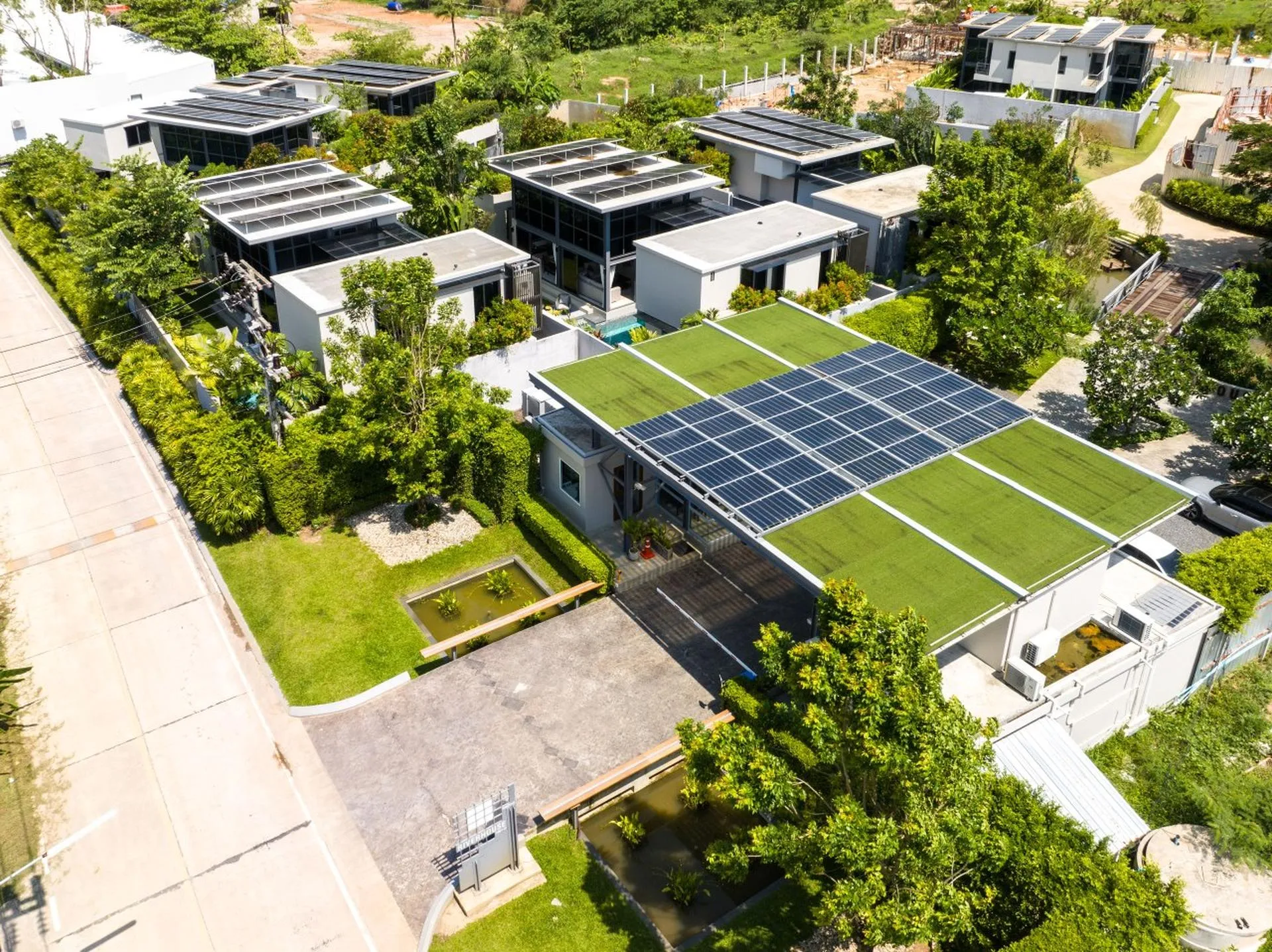
Solar installation has become more relevant for house and villa buyers in Thailand when the property has good sun exposure and enough roof space for panels. However, not every property is solar-ready. Buyers should check roof strength, inverter placement, and whether the existing electrical system can support a grid-connected solar application.
Recent policy discussions have included residential rooftop solar net-billing, but program limits and requirements can change. Before relying on projected solar savings, buyers should confirm the latest details with MEA, PEA, the Energy Regulatory Commission (ERC), or a qualified solar installer.
When reviewing luxury real estate in Phuket, pool villas in Hua Hin, or larger homes in Bangkok’s outer residential areas, solar readiness can be a useful long-term consideration.
Working With the Right Advisor When Buying Property in Thailand
Electricity supply is just one layer of due diligence when buying property in Thailand. Ownership structure, developer credibility, building condition, location, and operating costs all require the same level of attention, especially when the property will be used for long-term living or investment.
Sunway Estates is a premium property consultancy with more than 15 years of experience in Thailand’s luxury property market. We help buyers approach the process with clarity, from understanding due diligence checks to knowing which specialist questions to ask before moving forward. Our role is not to replace legal, engineering, or electrical professionals, but to help you assess each property with a clearer view of how it fits your wider plans.
If you're exploring luxury property across Phuket, Koh Samui, and Bangkok, contact Sunway Estates for grounded, experience-led advice that helps you make a well-informed decision from the start.
Frequently Asked Questions About Electricity Supply in Thailand for Homebuyers
What is the difference between MEA and PEA electricity in Thailand?
The Metropolitan Electricity Authority (MEA) supplies electricity in Bangkok, Nonthaburi, and Samut Prakan. The Provincial Electricity Authority (PEA) covers the rest of Thailand. Your provider affects billing, account creation, meter requests, and electricity account transfers.
What is the difference between single-phase and three-phase power supply in Thailand?
Single-phase power is common in many homes and suits everyday appliances, lighting, and standard residential use. Three-phase power offers higher capacity and is usually found in larger properties or homes with heavier electrical demands. Buyers should confirm which supply is installed before purchase.
Do electricity rates vary depending on where you live in Thailand?
Yes, electricity billing can vary by provider, property type, tariff category, meter setup, and whether the property is billed directly by MEA or PEA. Condominiums or managed developments may also use sub-meter systems, so buyers should review how bills are calculated before purchase.
Why is earthing and surge protection important in a Thai property?
Thailand’s tropical climate brings heavy rain, thunderstorms, and occasional power fluctuations. Proper earthing and surge protection help improve safety and protect appliances. Buyers should arrange an electrical inspection before purchase, especially for villas, renovated homes, or properties with outdoor electrical systems.
Can I install solar panels on a property in Thailand?
Yes, solar installation is increasingly relevant in Thailand, and even more so for villas and houses with good sun exposure and enough roof space for panels. However, not every property is solar-ready. Buyers should check roof strength, inverter placement, the electrical system, and grid connection requirements before planning solar upgrades.
Who do I contact to set up electricity when buying a home in Thailand?
You’ll need to contact MEA or PEA, depending on the property’s location. For condominiums, electricity may be managed through the building’s juristic office, particularly under a sub-meter system. Always check how bills are calculated and issued before purchase.
Please complete the form. We will get back to you as quickly as possible. Alternatively if you want to visit us please call to arrange an appointment.