

Charoen Krung destination guide

Charoen Krung combines Bangkok’s historic riverside heritage with a growing creative scene, where traditional shophouses sit alongside modern cafes, art spaces, bars, and new residential projects. This revitalization has helped transform the area into one of the city’s most distinctive inner-city neighborhoods.
The History of Charoen Krung
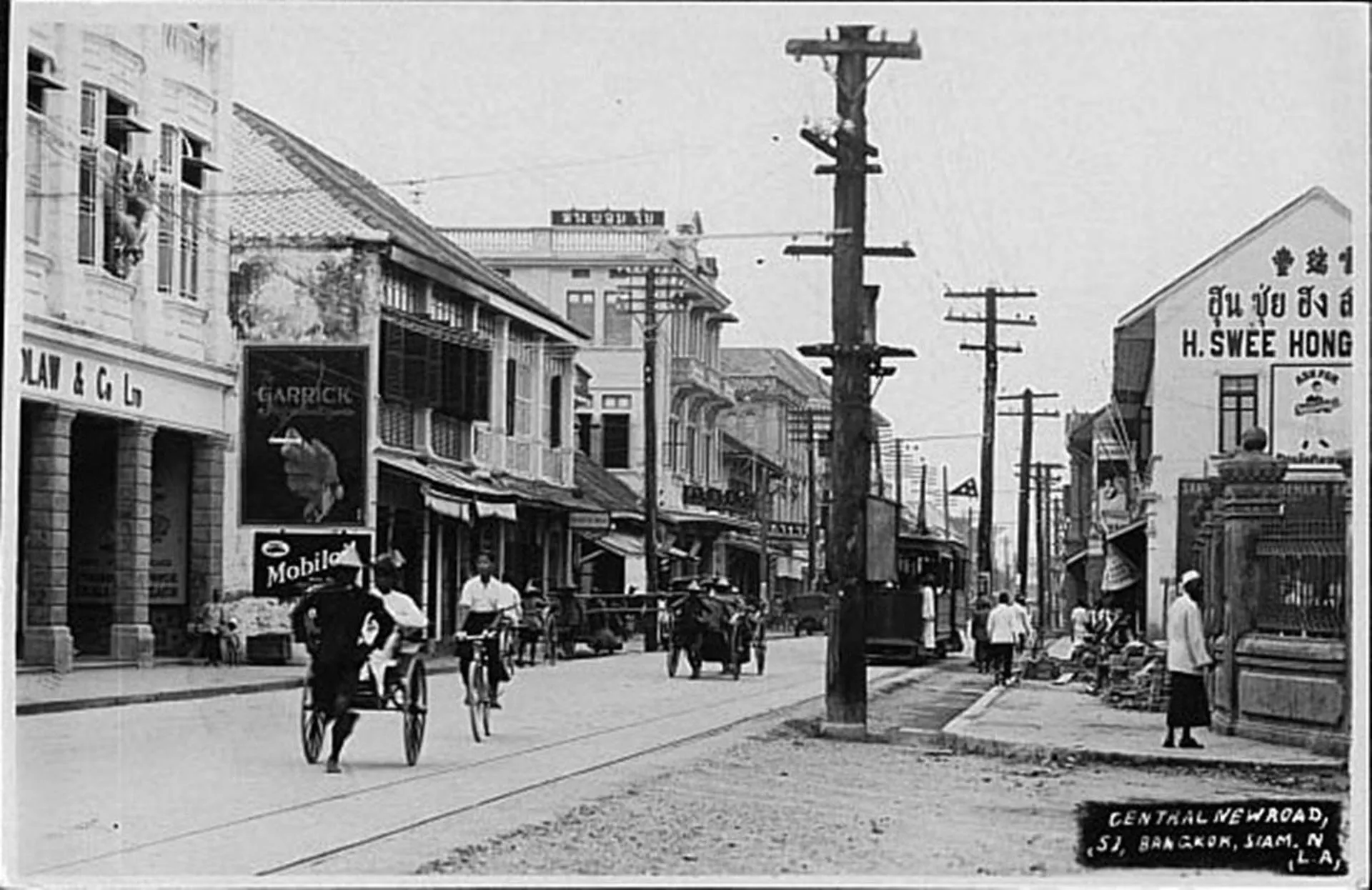 Charoen Krung traces its origins back to the 1860s during the reign of King Rama IV, when it became the first paved road in Bangkok. Due to its proximity to the Chao Phraya River, it served as a hub for international trade, attracting merchants from China, Britain, and Persia.
Over time, these influences shaped Charoen Krung into a multicultural neighborhood where different traditions, customs, and architecture could be seen in everyday life. For this reason, Charoen Krung is often considered a culinary melting pot.
Today, the area is still home to a diverse mix of multicultural communities, which altogether create a unique atmosphere that continues to attract locals and tourists alike. While it is no longer seen as the commercial heart of Bangkok, it remains a living testament to the city’s rich heritage.
Exploring Charoen Krung Road
Stretching across several of Bangkok’s oldest districts, Charoen Krung Road is a constantly changing urban landscape where old shophouses stand alongside modern developments, markets, eateries, and residential towers.
The road begins near Sanam Chai Road in Phra Nakhon, close to major landmarks such as Wat Pho and Saranrom Palace Park. From there, it continues south past Khlong Ong Ang, with MRT Blue Line stations such as Sam Yot and Mangkon helping ease movement through some of the more congested zones.
Further along, Charoen Krung moves through Chinatown, intersecting with Yaowarat Road at Odeon Circle near the Chinatown Gate and Wat Traimit. It then enters Talat Noi in Samphanthawong District, known for its cafe, art, and museum scene.
Crossing into Bang Rak—once known as Bangkok’s European quarter—the surroundings begin to feel more cosmopolitan, as parts of the area have undergone gradual revitalization over the past decade. The area's historic buildings, art spaces, and cafes help define what is now known as the Charoen Krung Creative District, which also benefits from the BTS Saphan Taksin station.
As Charoen Krung continues south through Sathorn and into Bang Kho Laem, the environment shifts towards a more residential atmosphere, with hotels, residences, Shrewsbury International School, and the open-air lifestyle complex Asiatique adding to the area’s appeal.
The road eventually ends beneath Rama III Bridge. Although we've only covered the main route, the smaller streets branching off Charoen Krung Road reveal additional layers of neighborhood life, from long-standing local businesses to newer lifestyle venues.
Local Real Estate Market Insights
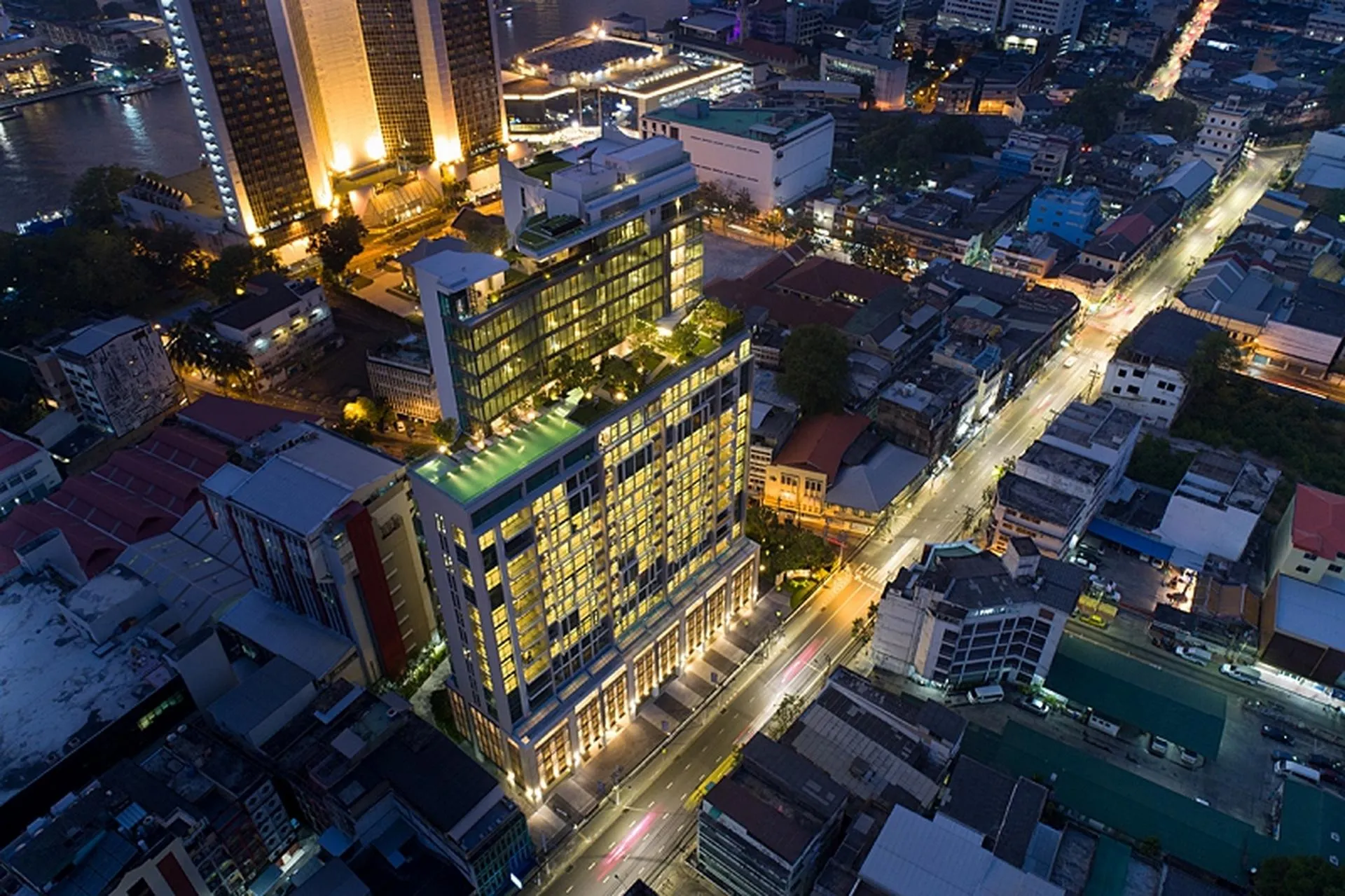
Because Charoen Krung runs through several districts, property prices and demand vary significantly by micro-location. Areas closer to major transport hubs like BTS Saphan Taksin or established commercial zones typically attract stronger residential interest, while quieter inland stretches tend to feel more local.
In parts of Bang Rak and Talat Noi, older shophouses and commercial buildings have gradually been turned into boutique hotels, cafes, galleries, and mixed-use spaces. This has drawn attention from investors and business owners looking for more character-driven central locations.
Overall, Charoen Krung remains one of Bangkok’s most layered inner-city neighborhoods, where its heritage, riverside setting, and ongoing creative revitalization contribute to and help sustain residential and investment interest over time.
Please complete the form. We will get back to you as quickly as possible. Alternatively if you want to visit us please call to arrange an appointment.