

How to Buy Land in Thailand
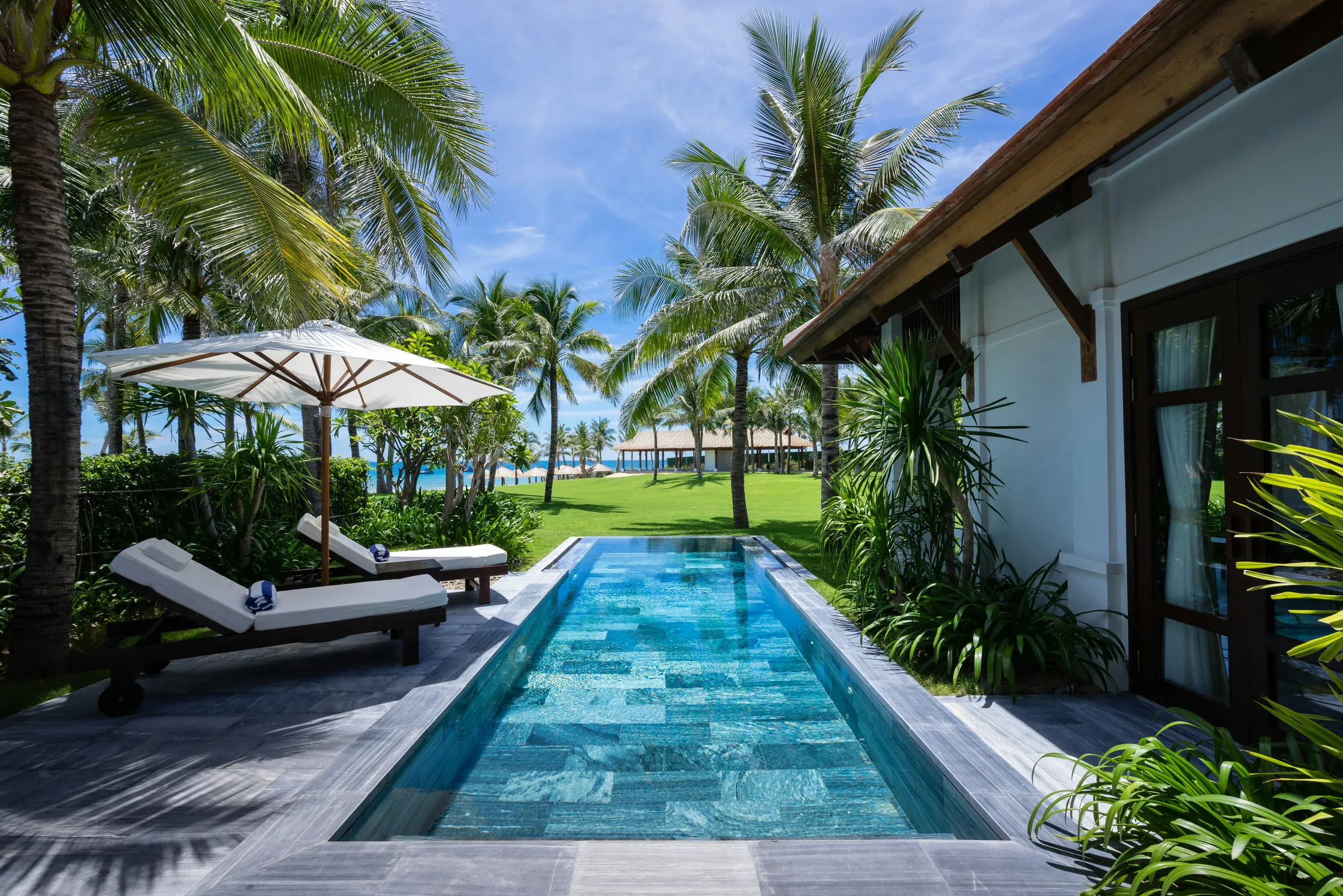

Thailand’s vibrant property market, natural surroundings, and expanding infrastructure make its land offerings especially attractive to foreign buyers seeking a holiday retreat, a future retirement home, or a long-term investment. From coastal plots to hillside parcels, the country offers opportunities that cater to a wide range of visions and budgets.
In this article, we will cover laws governing foreign ownership of land in Thailand, outline the step-by-step process of acquiring a plot, and provide some tips on how to make the most of your investment.
Can Foreigners Buy Land in Thailand?
Although foreigners are prohibited from owning land in Thailand, there are legally recognized pathways that allow foreigners to obtain long-term rights. Here are the most common options.
Leasehold Agreement
Foreigners can enter into a renewable long-term lease agreement to acquire the right to use the land. These leases can be registered for a maximum initial term of 30 years and can include the right to extend twice in the lease agreement, allowing for a total lease period of up to 90 years.
It is important to note that structures built on leased land are treated as separate from the land itself, meaning that foreigners can build a house and own it in their name.
Sap-Ing-Sith
Foreigners may obtain a registered right to use and benefit from the property, known as Sap-Ing-Sith.
This right can be registered for a fixed term of up to 30 years, and renewal requires a new registration and an agreement between the foreigner and the owner.
It also allows the holder to transfer or inherit the right, use it as collateral, or construct on the land—unlike standard leasehold agreements, where the lessee generally needs the landowner’s consent.
Thai-Majority-Owned Company
Foreigners may acquire land as a company asset through a Thai-majority-owned company, where Thai shareholders own at least 51% of the shares and the foreign shareholder up to 49%.
However, the Thai shareholders must be genuine investment partners who hold their shares beneficially and participate in the company’s business and economic interests, rather than acting as nominees.
Because of this, it is highly recommended to seek professional legal assistance when pursuing this pathway.
BOI-Promoted Foreign Company
Foreigners with companies operating in an industry supported by the Thailand Board of Investment (BOI) and that have received promotion may be eligible to own land in Thailand. This can apply to land acquired for promoted business activities, including (but not limited to) hotels.

Step-by-Step Guide for Buying and Leasing Land in Thailand
Whether you choose to buy or lease land in Thailand, the process must be followed correctly to maintain transparency throughout the transaction and protect your interests. Below is a step-by-step guide for buying and leasing land in Thailand:
- Conduct Due Diligence: A thorough examination of the land is crucial to avoiding future complications after signing the contract, as it will reveal any hidden encumbrances, such as mortgages, liens, road access rights, and title deed history. Due diligence and title searches will protect you from buying illegal property or land burdened with hidden debts.
- Negotiate and Reserve the Property: Once you have selected the land, discuss the price, payment terms, and any additional conditions. When both parties have reached an agreement, a reservation deposit is paid to secure the property while formal contracts are drafted. A reservation can be made into an escrow account, typically set up by a lawyer.
- Review and Sign the Agreement: The relevant agreement will outline the terms of the transaction, including payment timelines, transfer procedures, and any development-related conditions. Carefully review the agreement to ensure that the terms accurately reflect what was negotiated to safeguard your rights.
- Complete the Transfer and Registration: The final payment is normally made at the Land Department on the day of the ownership transfer, when the relevant ownership or usage rights are formally registered. All Thai property transfer fees and taxes are usually shared between both parties.
Deciding Where to Buy Land in Thailand
There are several factors that can influence how well a particular piece of land will align with your long-term plans, regardless of whether you intend to build a home on it or incorporate it into your investment strategy. Here are some tips to help guide you on your search:
- Verify Zoning and Development Regulations: Thailand enforces zoning regulations that may limit what you can build on the land. For example, certain coastal areas restrict building height, and agricultural land must be used specifically for agricultural purposes. Because of this, make sure that you review the zoning laws and local regulatory requirements for the plot you are planning to buy to prevent future issues with compliance.
- Evaluate the Surrounding Infrastructure: Land value depends heavily on accessibility and infrastructure. To ensure that you will get the most out of your investment, evaluate the surrounding infrastructure, including the land’s proximity to major roads, airports, hospitals, and commercial centers. Also, confirm the availability of essential utilities such as electricity, water, drainage, and internet. Areas with ongoing or planned infrastructure development often see appreciation and attract long-term investors.
- Work With Local Real Estate Experts: Local real estate agents are invaluable when evaluating land in Thailand. A knowledgeable agent can help identify legitimate sellers, provide insights into current market conditions, highlight region-specific regulations, and flag potential problems. Their expertise can streamline the search process, reduce risks, and help you negotiate a more favorable agreement with the seller. Moreover, a lot of land plots—especially the most high-end plots in prime locations—are often offered strictly off-market.

Explore Real Estate Opportunities in Thailand with Sunway Estates
From coastal plots with exceptional potential for private residences to inland parcels suited for boutique commercial or lifestyle developments, Thailand offers a wide range of opportunities for foreign buyers.
At Sunway Estates, we provide personalized support for clients from all around the world in navigating the complexities of land acquisition in Thailand and identifying parcels that best align with their long-term goals. With over fifteen years of experience, our team offers tailored guidance based on in-depth market insight and a thorough understanding of land zoning and foreign ownership structures in Thailand.
Whether you are seeking land for a future home, a long-term investment, or a custom development project, contact Sunway Estates today for professional assistance and a smooth, transparent experience through every stage of the land acquisition process.
Please complete the form. We will get back to you as quickly as possible. Alternatively if you want to visit us please call to arrange an appointment.