

Thailand’s Next Real Estate Hotspots and Major Infrastructure Developments

In real estate, the value of a location rarely remains static. Areas that attract future demand are often driven by infrastructure decisions made years earlier, rather than by individual buildings or short-term market cycles.
Across Thailand, large-scale public and private infrastructure projects are increasingly directing where residential demand forms and how pricing trends develop over time. These projects move beyond headline announcements and reflect everyday decisions about where people live, work, and spend their time.
In this article, we highlight 5 major infrastructure developments in Bangkok and Southern Thailand that are expected to shape residential demand, pricing patterns, and long-term investment interest over the coming years.
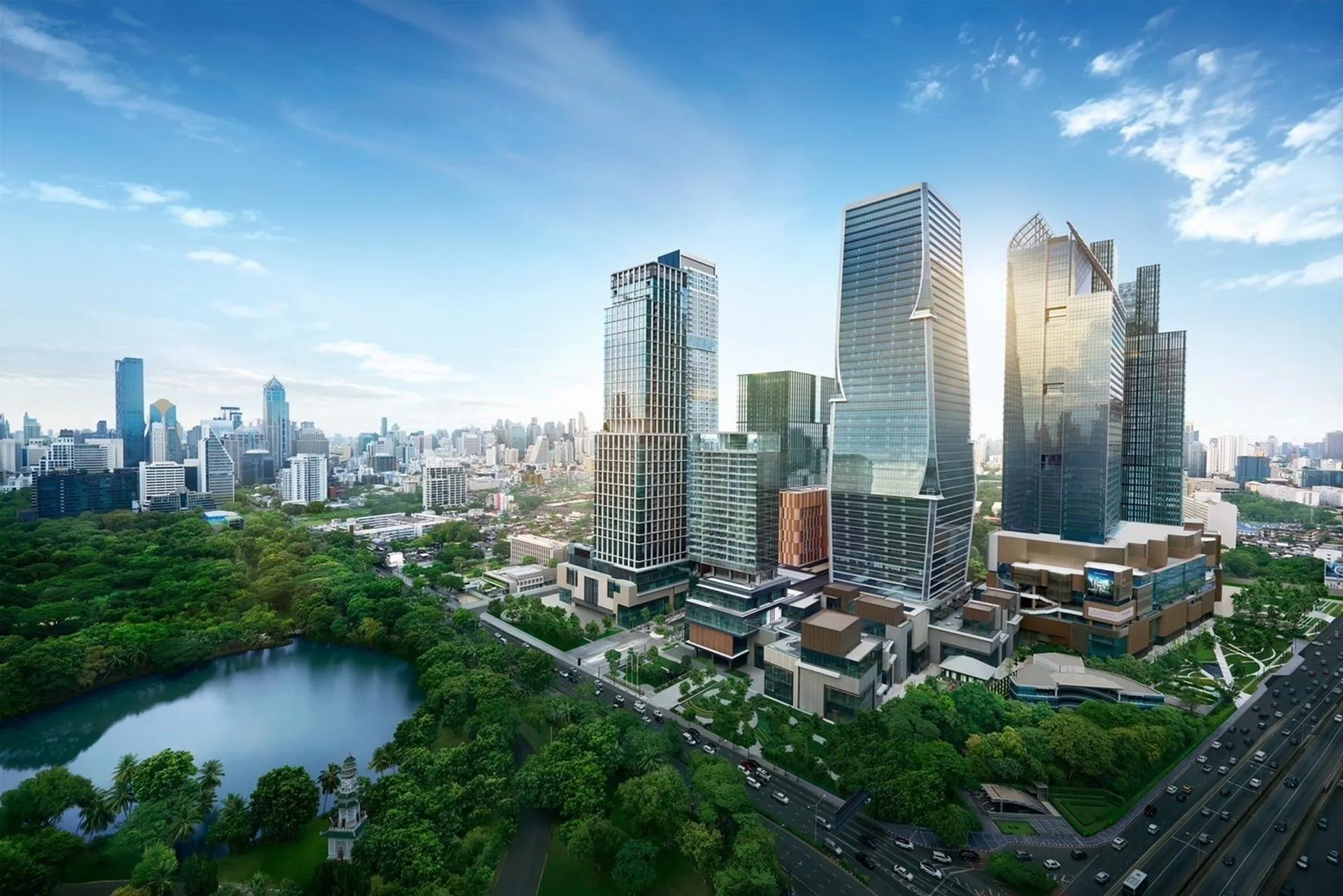
One Bangkok
One Bangkok is a large-scale mixed-use urban development located in Bangkok’s central business area, combining offices, residential buildings, hotels, retail, cultural venues, and landscaped green spaces within a single integrated district near Lumpini Park. Designed as a self-contained environment, the project brings together living, working, and leisure functions in one highly accessible location.
The development can also be accessed through private transport and public transit, including the BTS Skytrain and MRT Subway, reinforcing its position within the city as a well-connected urban district.
Investment Takeaway: One Bangkok’s investment appeal lies in the interaction between its residential, commercial, hospitality, and lifestyle components. Office workers, residents, and hotel guests create a built-in customer base for retail, dining, and services, while the overall environment enhances the attractiveness of living and working within the area. Nearby residential and mixed-use properties may benefit from sustained demand driven by this concentration of activity.
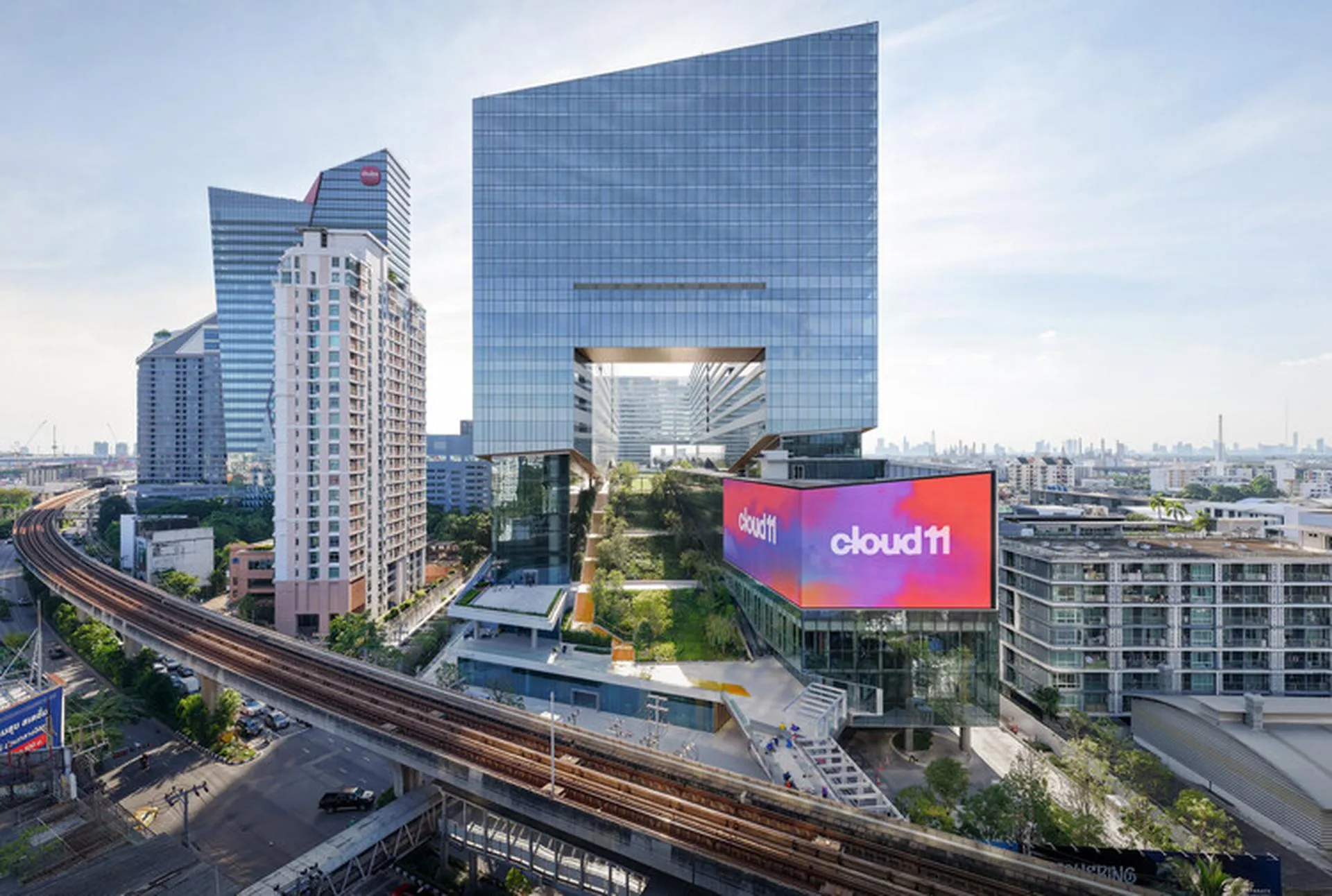
Cloud 11
Cloud 11 is a large-scale mixed-use development by MQDC, located along Sukhumvit Road. Valued at over 40 billion Thai baht, the project spans approximately 27 rai with a gross floor area of 254,000 sq.m. It is considered Asia's largest hub for content creators, bringing together work, hospitality, and public spaces within a single mixed-use environment to support content creation.
The development is structured to support the creator economy through access to creator funds, talent, studio spaces, and state-of-the-art equipment. This focus aligns with the country's broader growth in media, digital content, gaming, and entertainment sectors.
Investment Takeaway: Cloud 11 introduces a demand driver tied to content creation and digital industries. Residential and mixed-use properties nearby may benefit from demand generated by creative professionals who value proximity to studios, workspaces, and supporting amenities. Areas near Cloud 11 with mass transit access are also more likely to attract stable tenant and buyer interest rather than short-term occupancy.
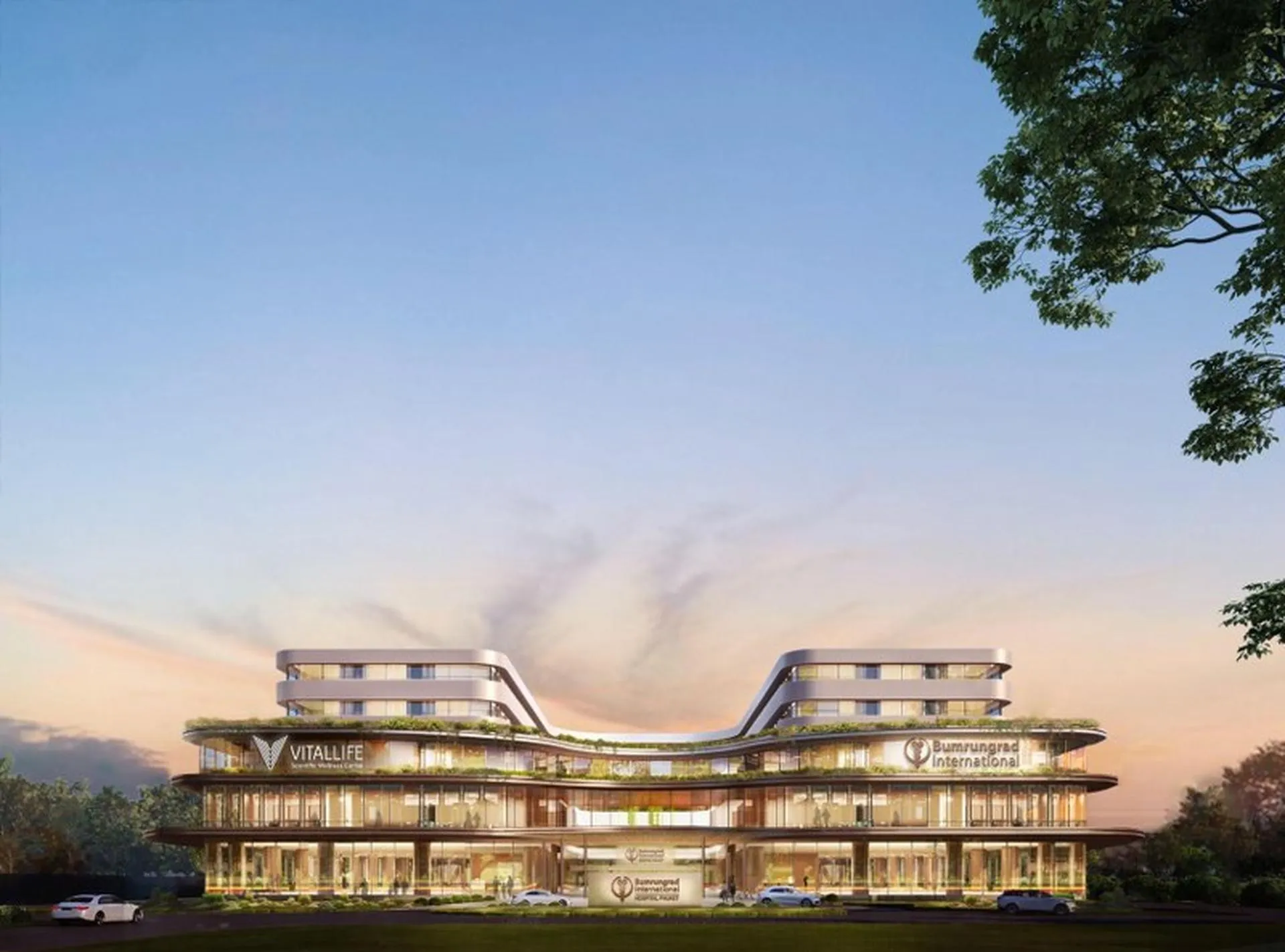
Bumrungrad Hospital Phuket
Bumrungrad Hospital is scheduled to open a new facility in Phuket in mid-2027, expanding access to private healthcare in southern Thailand. The project involves an investment of approximately 4.3 billion Thai baht and is located on 16.5 rai of land, within 10 minutes of Phuket International Airport. The hospital will operate with 212 beds at full capacity, with 120 beds available during the initial phase.
The facility will follow a hub-and-spoke model, linking Phuket with Bumrungrad Hospital in Bangkok for advanced and specialized treatments. This structure reduces long-distance travel for patients across Phuket, Phang Nga, Krabi, and Surat Thani who would otherwise need to travel to Bangkok for advanced medical care.
Investment Takeaway: Large healthcare facilities often support steady housing demand from visiting patients, families, and affluent long-stay residents who value proximity to private medical care. In Phuket, this may translate into demand for serviced apartments and well-located condominiums designed with longer-stay occupancy patterns in mind.
Phang Nga’s Andaman Airport and Phuket Airport Expansion
The planned Andaman International Airport represents a major infrastructure investment focused on improving access to southern Thailand. The project carries a budget of 75 billion Thai baht and is located in Phang Nga, north of Phuket, with construction scheduled to begin in 2027 and operations expected by 2032. The airport is intended to ease congestion while supporting longer-term tourism activity across Phuket and nearby provinces.
Phuket International Airport is also undergoing a 6 billion Thai baht expansion that began in 2024. The upgrade will increase passenger capacity to 18 million travelers per year and raise flight operations from 20 to 25 per hour after a 3-year construction period. This expansion addresses the surging demand for flights to the island while preparing the region for broader aviation connectivity once the Phang Nga airport becomes operational.
Investment Takeaway: New airport infrastructure often reshapes property demand by reducing travel friction and widening the appeal of surrounding districts. Improved regional access may influence future residential and hospitality interest over time, particularly as connectivity between Phuket and nearby provinces expands. The airport will also increase visitor interest in Phang Nga. The province already stands on its own as a beach and natural park destination, and an international airport will allow it to capitalize on this existing appeal.
MRT Expansion in Bangkok
Transit expansion continues to shift housing demand across Bangkok by extending access to a wider range of districts. As new lines open, markets tend to reflect improved connectivity through gradual price adjustments rather than short-term spikes.
Several major MRT projects and extensions are scheduled to provide east-to-west and suburban connectivity across the city:
- Orange Line: Spans 35.9 km from Bang Khun Non to Min Buri, providing east-to-west rail service across Bangkok. The eastern section is expected to open in early 2028, while the western section is projected for late 2030.
- Brown Line: Spans 22.1 km with 20 stations between Khae Rai Intersection and Lam Sali. The line links directly with the Purple Line and Pink Line, supporting cross-network connectivity in northern and eastern Bangkok. Current plans target an opening year of 2030.
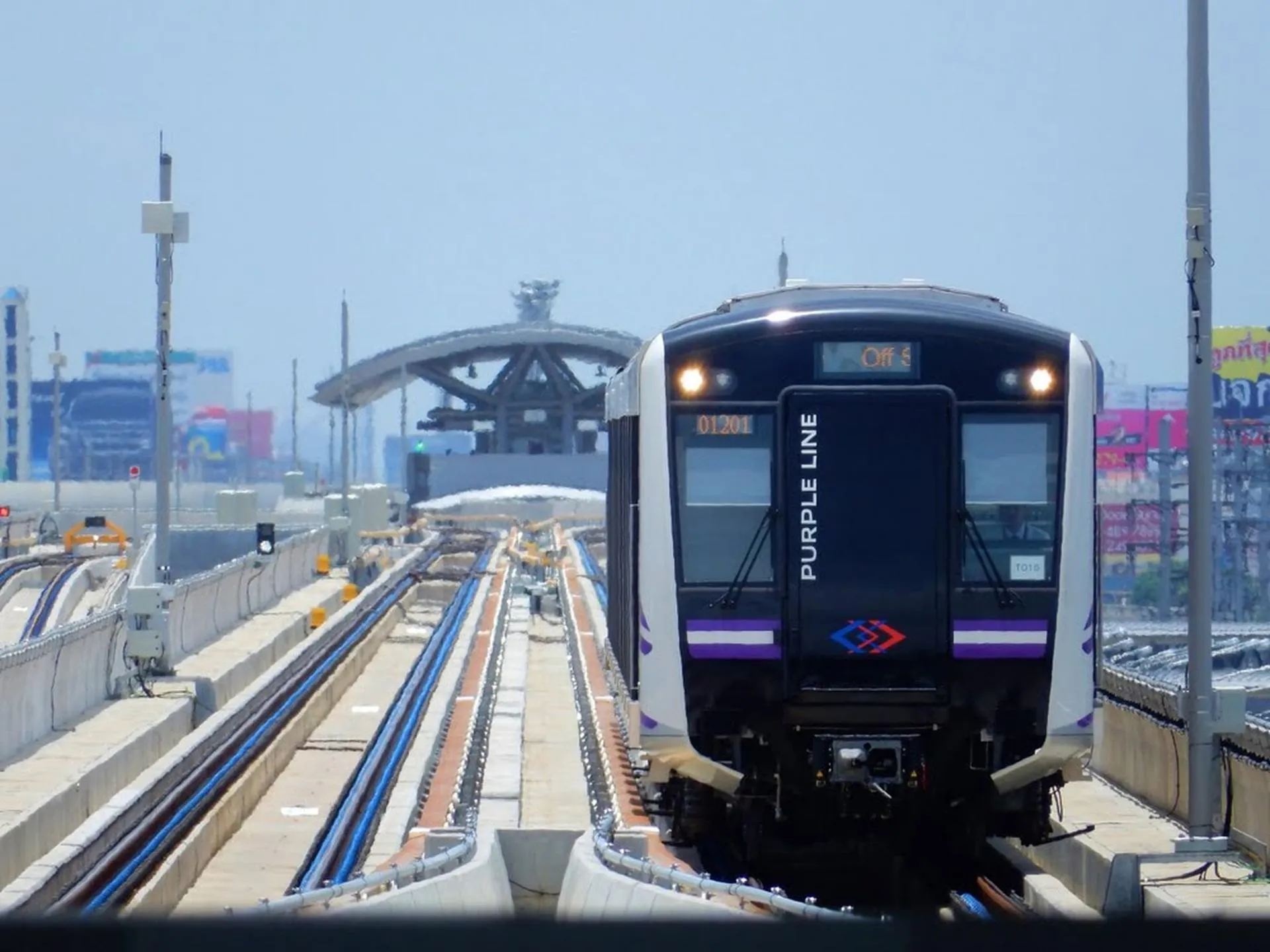
- Purple Line South Extension: The existing Purple Line runs 23 km from Khlong Bang Phai to Tao Poon. The South Extension will add 23.6 km from Tao Poon to Rat Burana, including 17 new stations and a tunnel reaching 41 m beneath the Chao Phraya River. The full 46.6-km route is expected to open in 2028 and will connect Nonthaburi, Bangkok, and Samut Prakan.
Investment Takeaway: The strongest opportunities often emerge around future stations where pricing has started to adjust ahead of service launch. Interchange locations tend to support broader demand due to multi-line access and more flexible commuting patterns.
What This Means for Property Investors in Thailand
Taken together, these developments highlight a consistent pattern in Thailand’s real estate market, where large-scale infrastructure and mixed-use projects affect demand over extended timeframes. Retail-focused districts, creative industry hubs, healthcare facilities, airports, and rail expansions can influence where people choose to live and how long they remain in an area.
For investors, stronger positioning often sits just outside fully matured zones, where infrastructure visibility is high but pricing has not yet fully adjusted. Locations supported by multiple demand drivers, such as transit access combined with employment, healthcare, or lifestyle amenities, often show steadier occupancy and resale performance, favoring a medium- to long-term holding approach rather than short holding periods tied to launch cycles.
Applying Infrastructure Trends to Property Decisions
Understanding where infrastructure investment is heading is only the first step. The investment advantage comes from acting before improved access and commercial activity are fully priced into land and property values.
At Sunway Estates, we help buyers and investors evaluate residential options across Thailand’s lifestyle markets, with attention to transportation access, surrounding activity, and long-term usability. Our goal is to guide clients in making informed property decisions based on location fundamentals and market context rather than short-term market momentum.
To explore real estate opportunities in areas positioned for growth and make the most of your investment, contact Sunway Estates today!
Please complete the form. We will get back to you as quickly as possible. Alternatively if you want to visit us please call to arrange an appointment.