

Thailand 2026: Key Trends in Luxury Real Estate
As 2025 came to an end—and while we did prepare a separate article and email about the year-end results—Sunway Estates is already boldly looking ahead, with this overview of real estate trends in the new year. Let’s see where we are going in 2026 and how we can make the most of the ride.
Continued evolution of the ultra-luxury segment
Interestingly, this trend grows from two very different places, depending on the location. In resort destinations such as Phuket, an ongoing rising demand in combination with scarce prime plots pushes developers who have access to those plots to develop more expensive and luxurious projects, raising the bar in a market that had been perceived as less sophisticated and savvy than Bangkok—well, not anymore. Projects like Gardens of Eden, Residences at InterContinental, and Banyan Tree Grand Residences Seaview Residences are now offering premium, sophisticated design and hardware at a corresponding price.
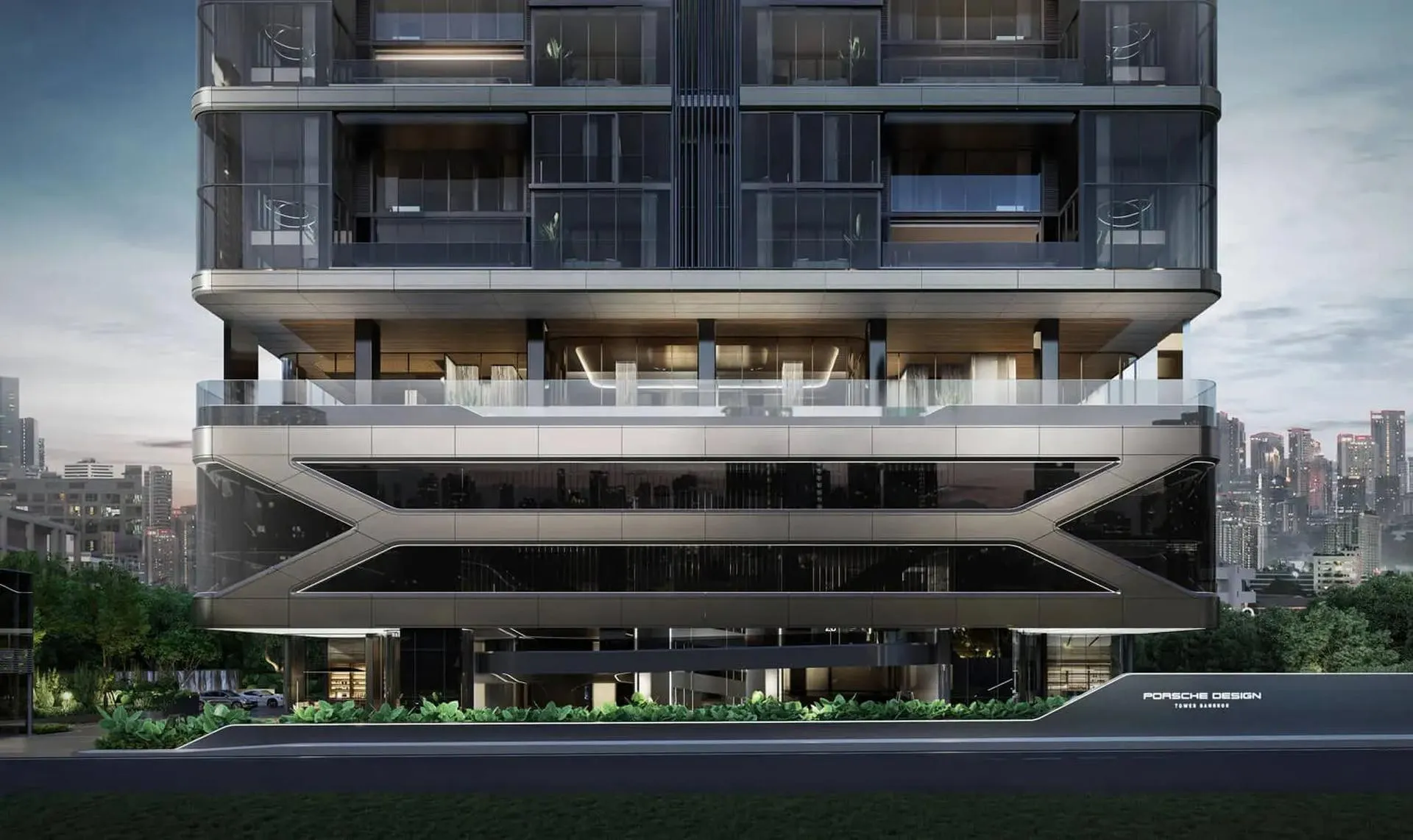
In Bangkok, the story is quite different. Local developers have never shied away from pushing the envelope of luxury offerings, with some projects (like Scope Langsuan or Ritz-Carlton Residences) able to easily compete with the best worldwide. However, in 2025, with the mid-range market growth slowing down, many developers have withheld new low- to premium-grade launches, instead focusing on one-of-a-kind ultra-luxury developments trying to one-up the competition. One such project that made quite an impression on us is the Porsche Design Tower, with its undeniably cool private garage setups and the record-breaking pricing (the most expensive unit in the building is priced at a vertigo-inducing 1.4 billion THB).
Affordability boosts ‘fringe’ locations
With many of the prime-area launches catering toward the very high-end of the market, buyers looking for budget- and mid-range options are turning their attention to secondary locations outside the city center or major tourist areas. The key considerations here are connectivity (access to amenities and workplaces for urban areas, and access to beaches, shopping, attractions, and other touristy spots for resort areas), pricing, and the overall local infrastructure. In many cases, these buyers prefer to zero in on an existing anchor development—such as a shopping mall, a school, or a transit station—and find something nearby.
As a consequence, we are seeing some off-center areas flourish and transform rapidly. Examples of this include Layan in Phuket or Charoennakon in Bangkok. Definitely something to keep an eye on for investors and residential buyers alike.
Big players increasing presence in the growing markets
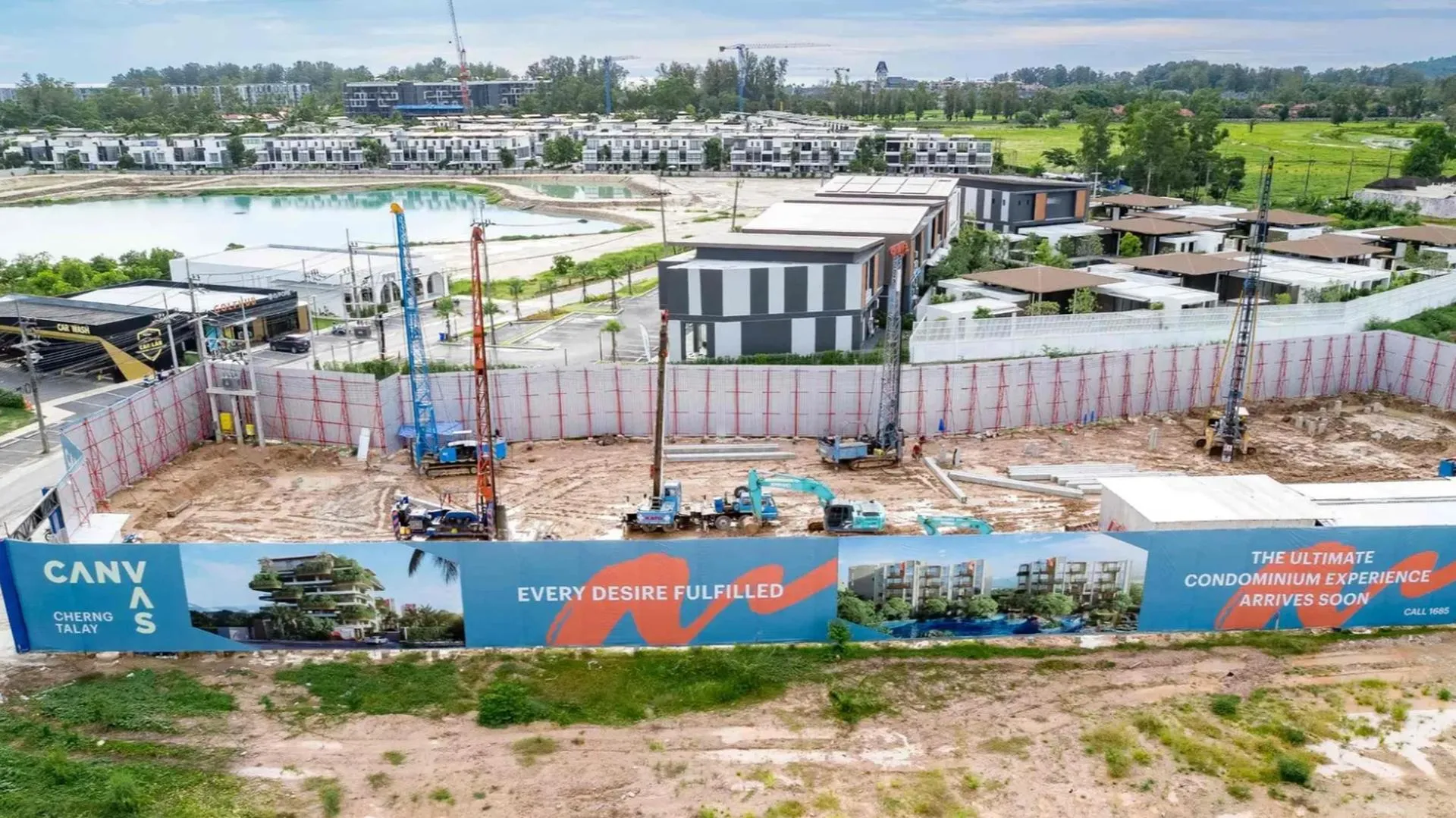
This is not a new trend—as resort destinations like Phuket and Pattaya rebounded after COVID, we’ve seen Bangkok developers entering and reentering these markets. However, the trend shows no signs of slowing down. Some of the projects announced in 2022-2023 are already starting handover (Sansiri’s Canvas did so even faster, having opened for sale in Q3 2024 and fully completed just a year later), further showcasing the potential, know-how, and scalability of big developers, which smaller local companies will struggle to match. More—and bigger—companies continue to expand into resort areas. In 2024 it was Central Group; last year it is Proud Real Estate with the Residences in InterContinental Phuket.
Apart from that, there are some large-scale projects currently undergoing planning or early development stages that are flying under the radar locally but are poised to become something of a big deal in just a year or two (Ananda’s MIRA Valley is a good example).
Branded Residences
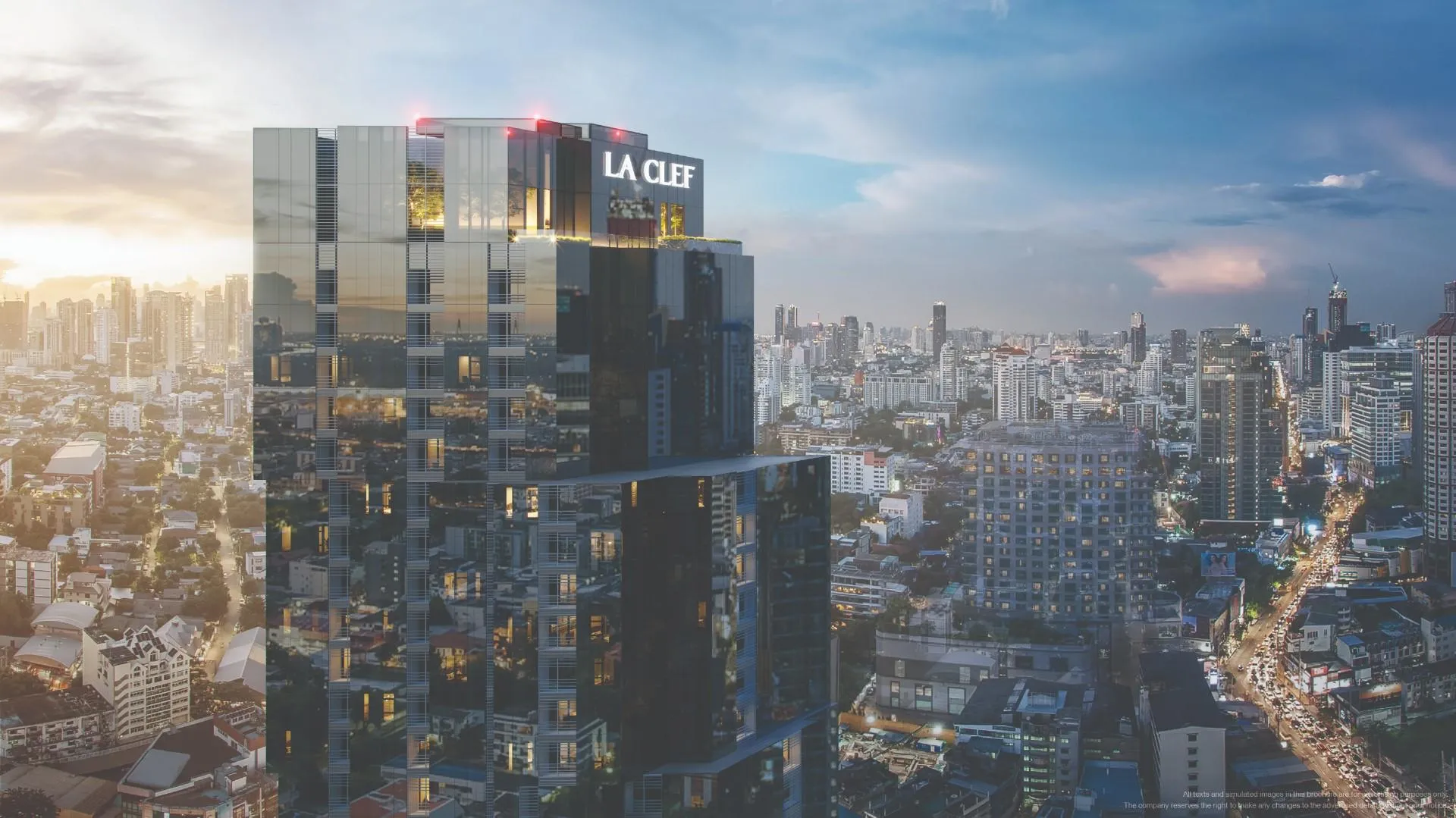
Branded residences have been one of the key trends in the high-end market since pre-COVID and remain so today. Thailand can be seen leading the charge—according to CBRE's Global Branded Residences Q4 2024 report, it ranks #4 globally by the number of branded residence developments (completed and in the pipeline). Two Thai cities—Phuket and Bangkok—made the top 10 cities list in the report, landing in the #5 and #7 spots, respectively. We are seeing branding being a key part of the value offer in the premium, luxury, and ultra-luxury markets.
Echoing our previous conversation about bigger names increasing their presence in new markets, the same trend can be seen on the brand side of branded residences. In 2025, we’ve seen two residences by InterContinental. This year—well, we also have some insider knowledge about certain developments in Phuket that we are not at liberty to disclose, so let’s just say that you will definitely recognize the name.
Demand for low-rises in Bangkok
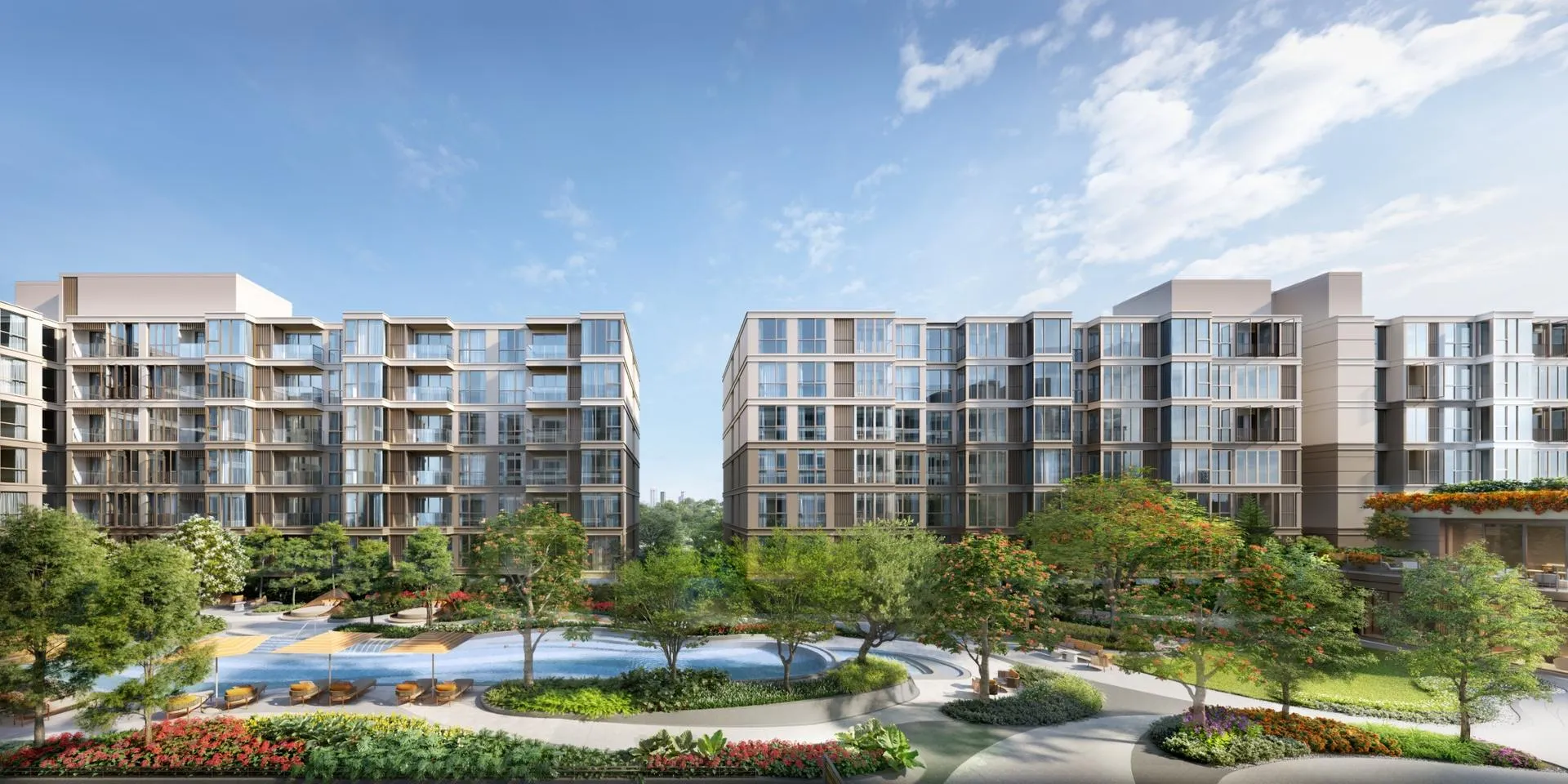
After the March 2025 earthquake in Bangkok, local resident attention reactively shifted toward low-rise buildings—an understandable response in the wake of a traumatic event. While public opinion has largely rebounded, and the damage to the buildings was by and large cosmetic, nevertheless some sentiment still lingers. More importantly, several developers have prioritized low-rise projects and pushed them ahead in their launch schedules, which means that for at least the next couple of years, they will have stronger representation across the board.
Growing demand for wellness and elderly care
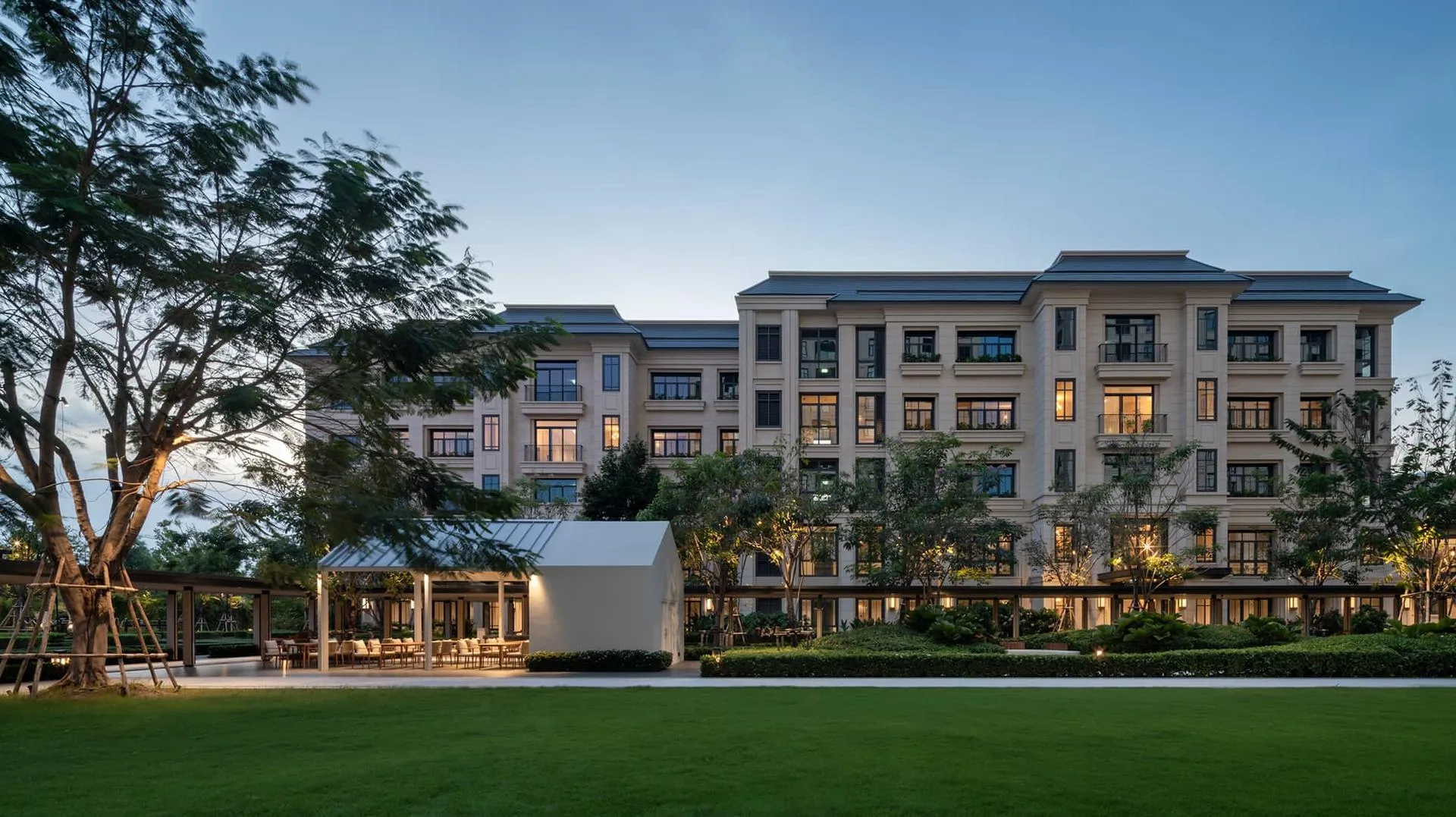
Wellness has been becoming more and more of a serious consideration over the last couple of decades and is now a major factor for both resort and urban destinations. People in Bangkok want to offset their busy lifestyles, while tourists on Samui want to commit to self-care during their vacation. To that end, we see multiple solutions from developers—from the basic addition of a yoga room in many projects, to high-level partnership with BHN Hospital in ROMM Convent, and the wellness-first development philosophy of Tri Vananda. Thailand is, in many ways, perfectly positioned to capitalize on the demand for wellness in hospitality and real estate, so we expect this trend to continue in the foreseeable future.
Another facet of wellness and medical care trends is the demand for senior housing, or rather conventional housing enhanced in ways that make them more suitable for senior buyers. Asia, as a whole, has been catching up to Europe in terms of an aging population, so this trend has been building up for a while. Projects developed with the retirement crowd in mind are nothing new, but the level of execution is really picking up now, targeting longevity and wellness instead of simply providing accommodation. For example, the Forestias mega-project in Bangkok includes the Aspen Tree development—a condo with specialized services for the elderly, an enormous clubhouse with dining, wellness facilities and activities, and an on-site brain health clinic.
Please complete the form. We will get back to you as quickly as possible. Alternatively if you want to visit us please call to arrange an appointment.